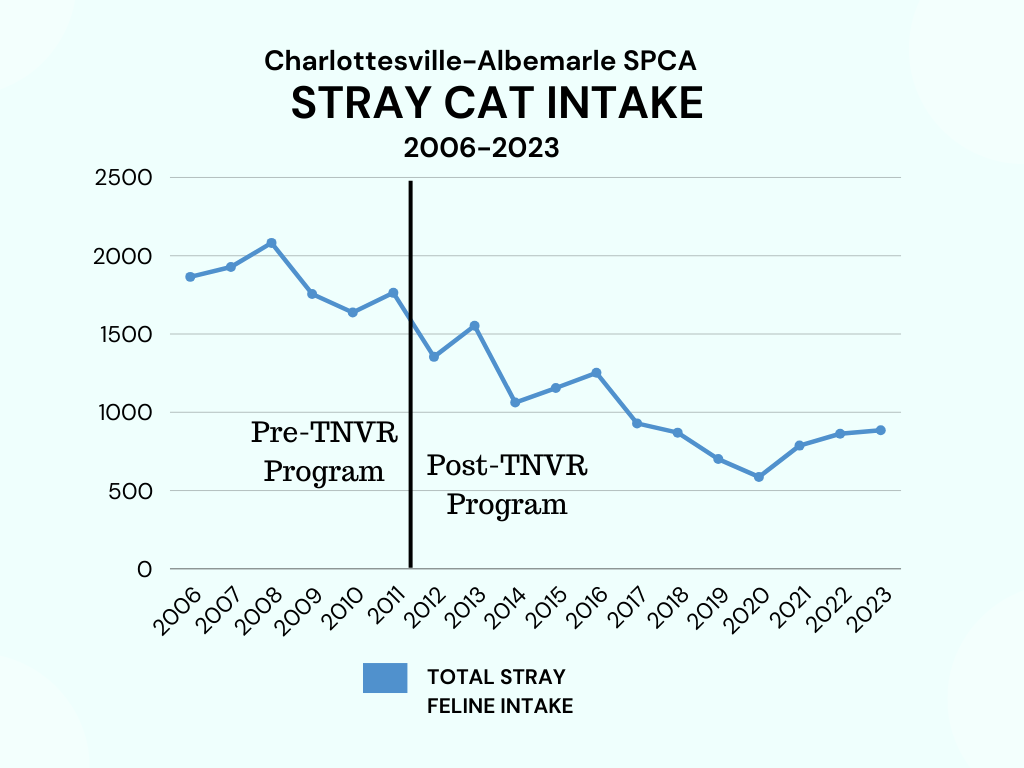
Since the inception of our TNVR program in 2011, we have witnessed remarkable changes. Historically, our intake numbers for stray cats were quite high – in 2011, we admitted 1,763 stray cats into our shelter. Fast forward to 2023, and that number has dropped significantly to just 885. This near 50% decrease highlights the effectiveness of the TNVR program in controlling the stray cat population.
Article
TNVR: Benefits and Results
June 4, 2024
Feral cats face numerous challenges – lack of shelter, exposure to diseases, and frequent conflicts with wildlife and humans are all threats to these vulnerable felines. Uncontrolled feral cat populations in particular struggle greatly with disease and food resources, and can have a negative impact on local ecology and biodiversity as well. Fortunately, there is a humane way to protect and reduce feral cat populations. It’s called TNVR.
What is TNVR?
TNVR stands for Trap, Neuter, Vaccinate, Return. This euthanasia-free strategy for population control involves humanely trapping cats, neutering or spaying them, vaccinating them against diseases, and then returning them to their original locations. This approach helps manage and reduce the feral cat population effectively and compassionately, without euthanizing healthy animals.
Results in the Charlottesville Community
About our program:
Our Trap-Neuter-Return (TNR) program is available for free to residents of Albemarle County, with a small fee for those outside the jurisdiction. The program includes the spay or neuter surgery, FVRCP+C and Rabies vaccinations (for kittens 3 months and older), and post-operative pain medications. Each treated cat is ear-tipped on the left ear to indicate they have been sterilized. We also offer humane trap rentals and support for those managing cat colonies, including assistance from our community cat manager upon request through an inquiry form on our website.
For more information on how you can TNVR your colony, or get involved with our TNVR efforts, please visit our Community Cats page here. Your support saves lives and creates a more humane world for us all!
share this
The Charlottesville-Albemarle SPCA is a non-profit animal shelter and community resource center located at 3355 Berkmar Drive in Charlottesville, Virginia. Established in 1914, CASPCA is proud to have served our community and their animals for over 100 years.
Related Articles
Related Articles

Can we celebrate in ways that reduce harm while preserving joy? The effects of fireworks on animals are well documneted, alternative celebrations can exist, how to help your pet during fireworks displays, and what to do if your pet goes missing or if you find one!
They thrive in silence. They depend on invisibility. And for far too long, they’ve succeeded.
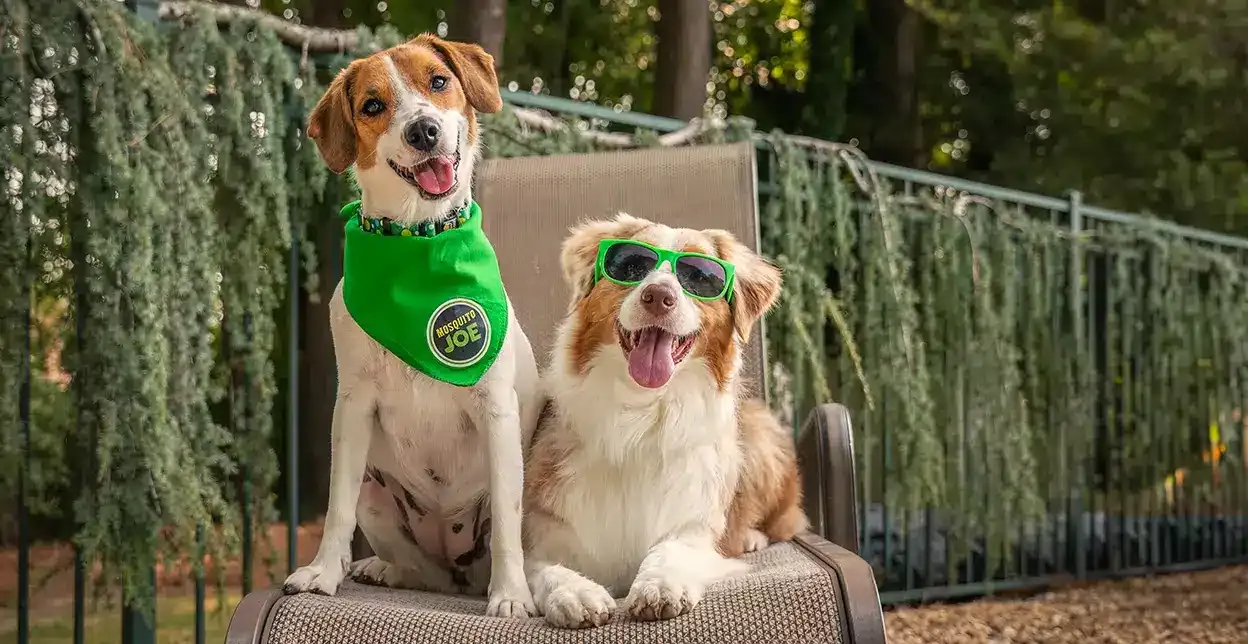
April is Heartworm Awareness Month. A time to raise awareness about a serious but preventable disease affecting pets across the country. At the Charlottesville-Albemarle SPCA, we’re proud to partner with Mosquito Joe to help protect pets from the number one source of heartworm transmission: mosquitoes.
STAY UP TO DATE
GET CASPCA'S LATEST
Receive updates, success stories, and get a heads up on upcoming events!
Contact Us