Article

Integrating an Adult Dog Into a Home with Children

January 30, 2026

Bringing home an adult dog is exciting—and with a little preparation, you can help ensure a smooth, safe, and happy transition for everyone.

This guide outlines what to expect during the first days, weeks, and months together. Adult dogs bring maturity, personality, and the ability to form strong, lasting bonds with children. With supervision, consistency, and patience, your new family member will settle in and thrive.

Before the dog comes home

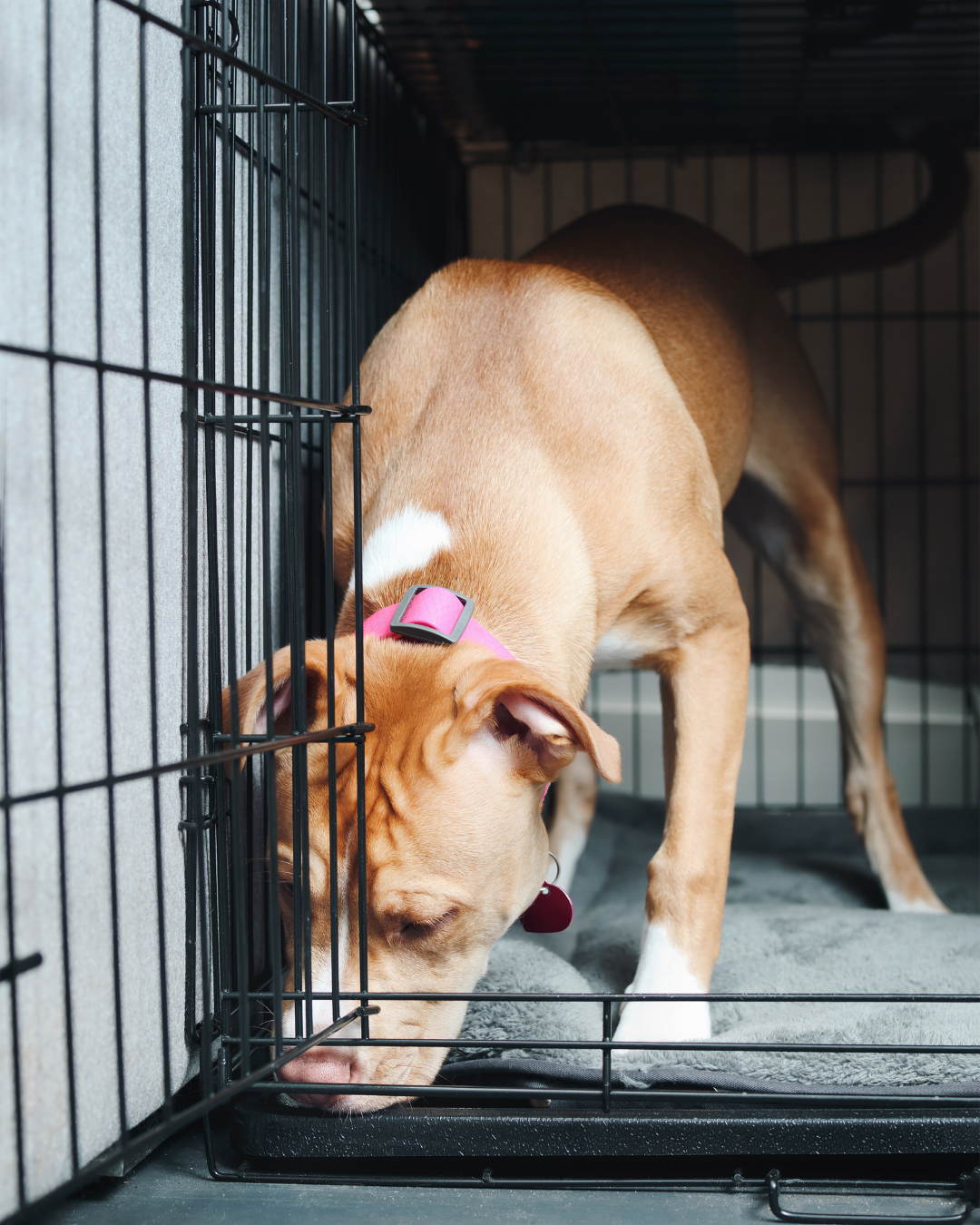
Dog exploring their crate

Start by preparing a quiet “dog zone,” such as a crate, gated room, or corner where the dog can retreat when they need space. Set the area with a bed, water, and a feeding station. Teach children a simple rule: when the dog is in their space, we leave them alone.


Establish house rules early. Children should not hug, climb on, or grab the dog, and they should never wake a sleeping dog. Show them how to pet gently with one hand and slow movements in safe zones like the shoulders and chest. Young children should always ask an adult before interacting. Kids shouldn’t feed table scraps or walk the dog without an adult close by.


Take time to dog-proof the home by keeping food, toys, and children’s belongings off the floor or in bedrooms. Secure trash bins, move fragile items that could be knocked over, and keep plants out of reach.


Important Reminder for all family members: Your new dog will need time to adjust to their new home. Toys, treats, pets, walks, cuddles, and out-of-kennel time were all restricted when in a shelter environment. Imagine being on a strict diet for weeks, and then you are let into a buffet with all your favorite foods. That would be really exciting! You might go a little overboard, you might try to stuff as much on your plate as possible. You might be completely overwhelmed and not know where to start.

Remember, your new dog friend needs ample time to adjust, and rules and boundaries should be established early. Even if these new rules seem a bit strict, please remember that it is already so much better than a kennel at the shelter. Start your new journey on the right paw!

the first day home

Keep the home calm during arrival—no rushing, crowding, or loud greetings. Let the dog explore at their own pace. On day one, it’s best for the dog to stay out of children’s bedrooms and off furniture while they adjust to the new environment.


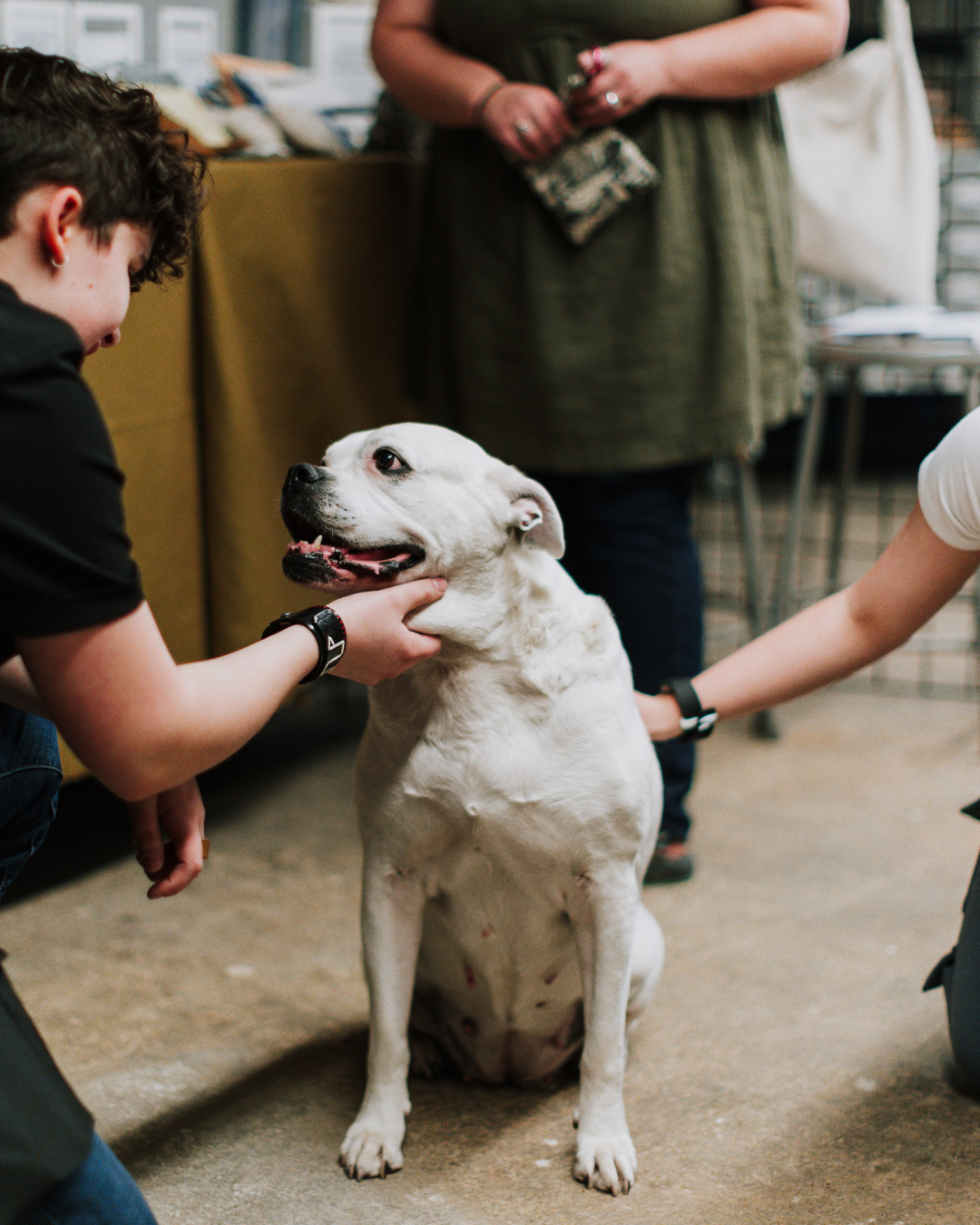
Introduce children one at a time. Show them how to offer a hand to sniff and how to give gentle strokes on the shoulder or chest. The dog should not be allowed to sit or stand between an adult and a child during early days.


Help children learn basic dog body language. Signs like lip licking, yawning, trembling, whale eye, sudden stillness, or trying to walk away all mean the dog needs space—and the dog should always be allowed to opt out of interaction.


Begin establishing a routine immediately. Predictable feeding times, potty breaks, walks, play, and quiet hours help the dog feel secure.

The first weeks (1-4)

Supervision is essential. No matter how friendly the dog is, an adult should be present for all dog–child interactions. Reward calm behavior with praise or treats—such as relaxed greetings, gentle play, choosing their safe zone, and staying off furniture. Remember, praising good behavior is just as important as correcting negative behaviors!


Consistency is key during the first few weeks. Maintain routines and continue to keep the dog out of children’s bedrooms and off furniture. Provide dog beds the children are not allowed to use. A predictable environment helps the dog feel stable and confident.


It may be tempting to take your new dog everywhere and show them off to friends and family members. Having a new pet is exciting! Try to keep new people's introductions brief and positive. It is okay for a dog to be crated and left at home for family outings until a strong bond is established and your new dog is settled in. This is usually around the 3 week mark but can take longer for especially shy dogs.

helping the dog settle in (months 2-3)

Expect an adjustment period. Adult dogs often arrive with unknown histories and may be shy, overly excited, test boundaries, or become attached to one particular family member. They may guard food, bones, toys, or furniture—items that can feel especially high-value after shelter life.


Other normal behaviors include occasional accidents, being startled by loud or fast-moving children, or confusion about which items belong to them. These issues typically improve with patience, structure, and consistent expectations.

supporting positive interaction with kids

Encourage structured, supervised activities that build confidence on both sides: treat-tossing games, gentle brushing, helping with food preparation, and family walks.


Teach children where it’s safe to touch the dog. Good areas include the shoulders, chest, above the tail, and under the chin. Avoid touching the paws, tail, face, ears, or head until the dog is very comfortable.


Children will mirror adult behavior, so model slow hands, quiet voices, respect for the dog’s cues, and calm interactions. Roughhousing or wrestling with the dog should not be allowed.

setting up for success

Use management tools such as baby gates, leashes during early interactions, and a covered crate or playpen to give structure and prevent accidental conflicts.


Set up a feeding plan by placing the dog’s food and water in a quiet, low-traffic location. Children should never take food, bones, or toys from the dog. Giving items is fine, but do it by having the dog “wait” or “sit” and by not allowing the dog to take things directly from a child’s hands.

common CHALLENGES (& how to respond)

Growling is communication—not misbehavior. If it happens, end the interaction calmly and give the dog space. Look for what triggered the response and adjust your approach.


Accidents can happen as the dog adjusts. Keep a schedule, reward outdoor potty breaks, and avoid punishment. Punishment creates fear and does not help the dog learn.


Overexcitement around kids is common. Keep interactions short and supervised, redirect the dog with toys when needed, and reward moments of calm behavior.

when to ask for help

Seek a professional trainer or behavior specialist if you notice escalating resource guarding, persistent fearfulness, snapping or biting, or trouble adapting to routine. Early support makes a big difference.

Here in Charlottesville, Dog Training By Valerie is a recommended Certified Behavior Consultant.
share this

CASPCA's logo

The Charlottesville-Albemarle SPCA is a non-profit animal shelter and community resource center located at 3355 Berkmar Drive in Charlottesville, Virginia. Established in 1914, CASPCA is proud to have served our community and their animals for over 100 years.

Related Articles

Related Articles

By Lauren K November 8, 2025
Before we can grow, we must be fed. This most basic of needs is universal and ubiquitous amongst all life; as humans, we break bread for many reasons — but first, we do it to survive. When survival is at stake, we put family first, and for most pet-owners, that includes pets; according to PetSmart Charities, 83% of pet parents struggling with food costs would skip their own meals before letting their pets go hungry. CASPCA’s mission revolves around these truths: that pets don’t exist “in a vacuum”, and that they are inextricable from the people who love them. To help pets is to help people. This is why we started our Pet Food Pantry program, and why we continue to invest in its success and expansion year after year.
By Matthew Hildebrandt of Cat Topia September 25, 2025
Imagine your cat stretched out in the sunshine, safely watching birds flutter by and feeling the breeze through their whiskers, all without you worrying about cars, predators, or getting lost. That’s the magic of a catio, an enclosed outdoor space designed just for cats. More and more cat parents are building catios because they offer the perfect balance: freedom and enrichment for curious cats, with peace of mind for the humans who love them. From reducing stress and boredom to protecting local wildlife, a catio can transform both you & your cat’s daily routine. This article will walk you through the benefits of building a catio, how to plan your design, the best materials to use, a step-by-step DIY walkthrough, and the safety tips that matter most. Even a small setup can make a big difference in your cat’s quality of life.
By Lauren K September 19, 2025
At CASPCA, we’re used to being the ones helping animals. This week, a group of four-legged landscapers returned the favor, eating their way through a big project for us!
ALL ARTICLES

STAY UP TO DATE

GET CASPCA'S LATEST

Receive updates, success stories, and get a heads up on upcoming events!

Contact Us

picture of cat being pet by a vet assistant
A foster care coordinator holds a rabbit